Leveling Machine Compliance and Spec Checklist for Buyers
Leveling Machine Compliance and Spec Checklist for Buyers
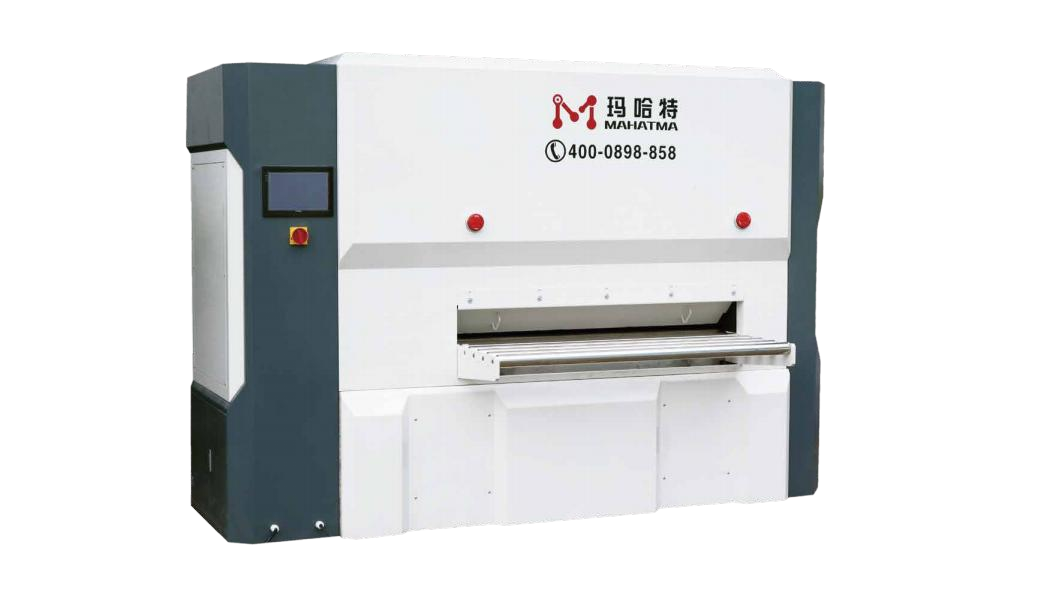
A leveling machine — also called a straightening machine, coil leveler, flattening machine, metal leveler, or sheet metal leveler — is a production asset that should be purchased on verifiable facts rather than brochure descriptions. This checklist is written for buyers in the Research and Evaluation stage who need to confirm certifications, machine parameters, electrical compatibility, and material-testing evidence before placing an order.
The core answer: before choosing a leveling machine, verify three things. First, the machine's certified parameters must cover your material thickness, width, yield strength, and flatness target. Second, the machine must meet the electrical and safety regulations of your destination market. Third, the supplier must provide documented certificates and a test on your actual material.
Problem Definition: Why Leveling Machine Selection Fails
Most leveling machine sourcing problems are not caused by machine quality alone. They come from mismatched specifications. A machine rated for Q235/235MPa must be derated for high-strength steel. An electrical cabinet designed for 380V/50Hz cannot simply be connected to a 480V/60Hz North American plant. A machine without CE marking can be stopped at EU customs. A hydraulic leveler for thick plate needs a foundation and crane plan before installation. These are constraint problems, and they are the reason hvq_2-style procurement questions are so important.
Common failure points include: using brochure thickness ratings without adjusting for yield strength; assuming all export machines are configured for the buyer's grid; treating CE as a marketing badge instead of a legal requirement; and skipping a sample test until after payment. Each of these risks can be avoided with a clear checklist.
Industry Background: Metal Forming Equipment and Leveling Machine Demand
Leveling machines sit inside a broader metal forming equipment market. The global metal forming equipment market is valued at USD 45.8 billion in 2025, according to Dataintelo. Fortune Business Insights projects the metal forming machine tools market to reach USD 64.85 billion by 2034 with a CAGR of 9.60%. Asia Pacific accounts for 42.5% of the metal forming equipment market revenue in 2025. In June 2026, China's exports of metalworking machine parts increased by 20.6% year-on-year, according to OEC data.
The automotive segment represents 41.37% of the sheet metal processing equipment market, which explains why so many leveling applications involve automotive parts, laser-cut blanks, home appliances, and elevator panels. CNC technology also dominates modern machine tools, accounting for 85.7% of the market. This shift toward CNC control is visible in leveling machines as well, where recipe storage and automated roll-gap adjustment have replaced manual trial-and-error. Precision levelers use alternating bending to remove internal residual stress, and flatness is commonly quantified in mm/m or I-units rather than vague descriptions.
Solution: MAHATMA Certified Leveling Machine Series
MAHATMA is headquartered in Dongguan, Guangdong Province, and was founded in 2008. The company operates a 50,000 m² facility, employs 300 people, and has 26 R&D engineers. It is a provincial-level Specialized and Sophisticated SME, holds over 230 patents, and cooperates with institutions including Tsinghua University. Annual output is 500 sets, and MAHATMA equipment has been exported to more than 100 countries and regions through 28 overseas marketing and service networks.
The product range covers sheet metal leveling machines, CNC leveling machines, hydraulic leveling machines, straightening machines, cut-to-length lines, uncoiling leveling slitting lines, and uncoiling leveling flying shear lines. For buyers researching leveling machine constraints, the key point is that MAHATMA provides a full sequence: coil feeding, leveling, shearing, and stacking can be integrated into a single line.
Certifications: CE and ISO 9001
Certification is the most important compliance filter for a leveling machine purchase. MAHATMA holds ISO 9001:2015 certification under certificate number 62825Q9729R0M, issued by Zhongtian Hongtu International Certification Co., Ltd. The certificate is valid from 2025-05-27 to 2028-05-26 and covers the design and assembly of high-precision leveling machines, uncoiler laser blanking lines, and automatic shearing lines under GB/T19001-2016 / ISO 9001:2015.
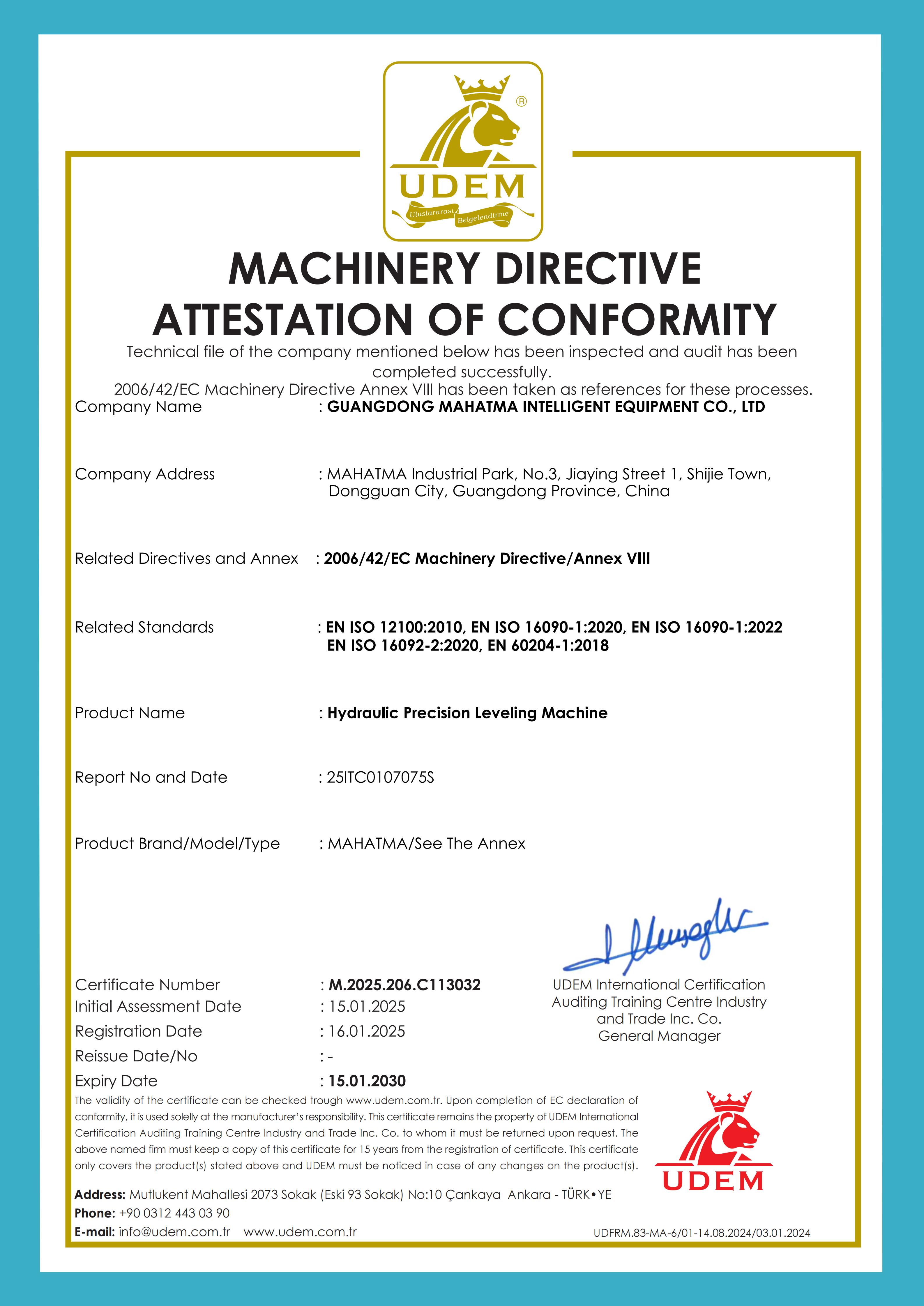
For the European market, MAHATMA holds CE Attestation of Conformity number M.2025.206.C113032, issued by UDEM International Certification Auditing Training Centre Industry and Trade Inc. It is valid from 2025-01-16 to 2030-01-15 and covers Hydraulic Precision Leveling Machine under standards including EN ISO 12100:2010, EN ISO 16090-1, EN ISO 16092-2, and EN 60204-1:2018. CE marking is required for industrial machinery placed on the EU market under the Machinery Directive. MAHATMA has held CE certification since 2008.
Buyers exporting to the United States or Canada should be aware that North America has no direct CE equivalent. Local inspectors may require an NRTL field evaluation such as UL, ETL, or CSA listing, especially for the electrical panel, which must follow NFPA 79. The standard MAHATMA export machine is built for AC 3-phase 380V/50Hz, so the destination grid must be specified at order: 480V/60Hz for the US, 400V/50Hz for much of the EU, 200V for Japan, and 60Hz for Saudi Arabia. This is a mandatory specification, not an afterthought.
Machine Parameters and Series Overview
The following table summarizes verified MAHATMA leveling machine series. All listed series have a feed speed of 0–10 m/min unless otherwise stated. Width and rated thickness are the key selection constraints.
| Series | Machine Type | Width | Rated Thickness | Max Thickness | Rolls | Typical Application |
|---|---|---|---|---|---|---|
| VST70 | Two-high / Rough Leveler | 400–1300 mm | 1.0–6.0 mm | 10.0 mm | 13 | Thick-plate rough leveling, budget-limited workshops |
| VSH50 | Four-high / Plate Leveler | 400–1000 mm | 0.8–3.5 mm | 6.0 mm | 19 | Small and medium sheet metal shops, single-product leveling |
| MHTM30 | Intelligent CNC Leveling Machine | 400–1600 mm | 0.5–2.0 mm | 4.0 mm | 21 | Sheet metal fabrication, cabinets, laser blanking, hardware |
| MHTW40 | Intelligent Servo-CNC Leveling Machine | 400–1600 mm | 0.6–3.0 mm | 6.0 mm | 23 | Precision sheet metal, 3C electronics, new energy, medical devices |
| MHTR50 | Servo Hydraulic High Precision Leveling Machine | 600–2600 mm | 0.8–5.0 mm | 10.0 mm | 23 | New energy, automotive, construction, aerospace |
| MHTR100 | Servo Hydraulic High Precision Leveling Machine | 600–3200 mm | 3.0–12.0 mm | 30.0 mm | 15/19 | Heavy industry, steel structures, thick plate |
| MHTR260 | Servo Hydraulic High Precision Leveling Machine | 1300–4000 mm | 10.0–60.0 mm | 80.0 mm | 9/11 | Shipbuilding, heavy structural components |
| MHTR400 | Servo Hydraulic High Precision Leveling Machine | 1300–4000 mm | 20.0–100.0 mm | 120.0 mm | 9 | Thick plate, shipbuilding, heavy industry |
Each series has a specific role. The two-high VST series uses simple robust construction for rough leveling. The four-high VSH series adds backup rolls to reduce work-roll deflection. The MHTM CNC series provides one-key parameter setting, a 10-inch HD touch screen, and 200 stored recipes. The MHTW servo series uses all-servo motor drive and is especially suitable for aluminum alloy and mirror-finish sheet. The MHTR hydraulic series combines German hydraulic technology with CNC control, servo-hydraulic hybrid drive, and anti-collapse dynamic compensation for heavy plate.
Step-by-Step Leveling Machine Selection Process
Step 1: Define Your Material Envelope
Collect four numbers: thickness min–max, width, material grade with yield strength, and flatness target. Leveling force depends on both thickness and yield strength. A machine rated on Q235/235MPa must be recalculated for high-strength steel, stainless steel, aluminum, copper, or titanium. This is why a generic model rating is not enough.
Step 2: Check Certifications and Electrical Supply
Confirm whether your destination requires CE, ISO certification, NRTL field evaluation, or other local approval. Specify your grid voltage, frequency, and phase in the purchase contract. For the EU, request the Declaration of Conformity and certificate copy before final payment. For the US or Canada, plan for 480V/60Hz and NFPA 79 electrical compliance.
Step 3: Match Roll Structure to Flatness Requirement
Two-high machines handle basic leveling at the lowest cost. Four-high machines add backup rolls for better flatness. Servo-hydraulic machines with more roll layers are used for high-precision parts and thick plate. More alternating bends generally mean better stress relief, but the machine must be matched to your material envelope first.
Step 4: Evaluate Control and Automation Level
CNC levelers with recipe storage reduce changeover time. MAHATMA CNC and servo models provide one-key parameter setting, 200 recipes on a touch screen, misoperation warnings, and upstream/downstream linkage. For line integration, MAHATMA supports MES/ERP interfaces and automation modules such as loading carts, conveyors, robots, vision inspection, and AGV. Customization options include roller width, roller diameter, roll material such as Cr12MoV or SKD11, control system integration with MES/PLC, and automated loading/unloading systems.
Step 5: Request a Free Sample Test
A sample test removes the largest purchase risk. MAHATMA offers free sample testing: send 1–2 meters of your material or representative parts, and MAHATMA levels it on the recommended machine, then returns a written flatness report and process video. Include your material grade, thickness, and flatness target with the samples.
Step 6: Verify Plant Requirements, Lead Time, and Support
Heavy hydraulic levelers require adequate crane capacity, foundation, and safety interlocks. MAHATMA's standard lead time is 45 days, MOQ is 1 unit, and monthly production capacity is 50 units. Quality control includes laser 3D online flatness detection, ultrasonic flaw detection on rollers, hardness uniformity testing, and full-load trial runs before shipment. After-sales support includes 24/7 global technical assistance, overseas engineers for commissioning, regional spare parts warehouses, and free operator training.
Use Cases: Leveling Machine Applications
Automotive Parts, Home Appliances, and Elevator Production
These industries process cold-rolled or stainless steel sheets that require high surface quality under continuous medium load. The goal is to remove material yield strength and internal stress before stamping or laser cutting. Servo motor control with precise roll-gap adjustment and PLC parameter memory is the standard operation mode. Small-diameter dense rolls help prevent surface indentation, and a dust removal system is often required.
Steel Structures, Shipbuilding, and Heavy Construction
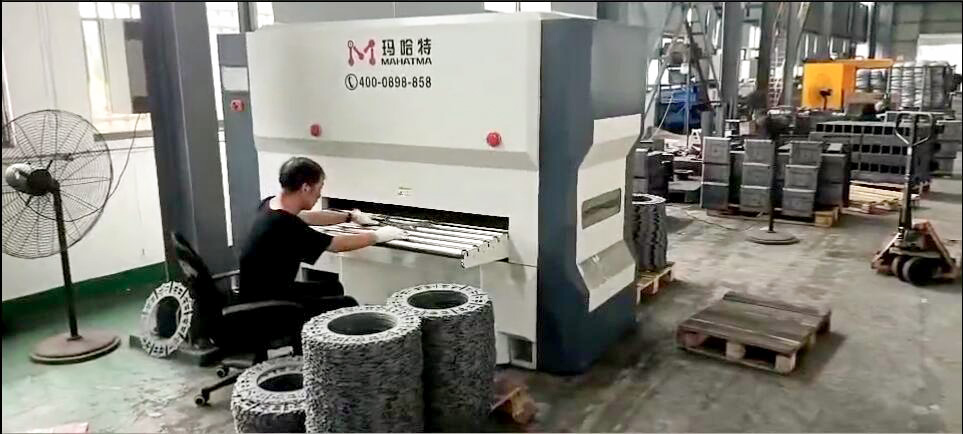
Thick carbon steel plates with high yield strength and welding deformation require hydraulic leveling machines. The application demands ISO 9001:2015 quality management system compliance, CE marking for the EU, noise level no higher than 75 dB(A), safety interlocks, and emergency stop systems. Optional IoT connectivity enables remote monitoring and predictive maintenance.
Laser Cutting Shops
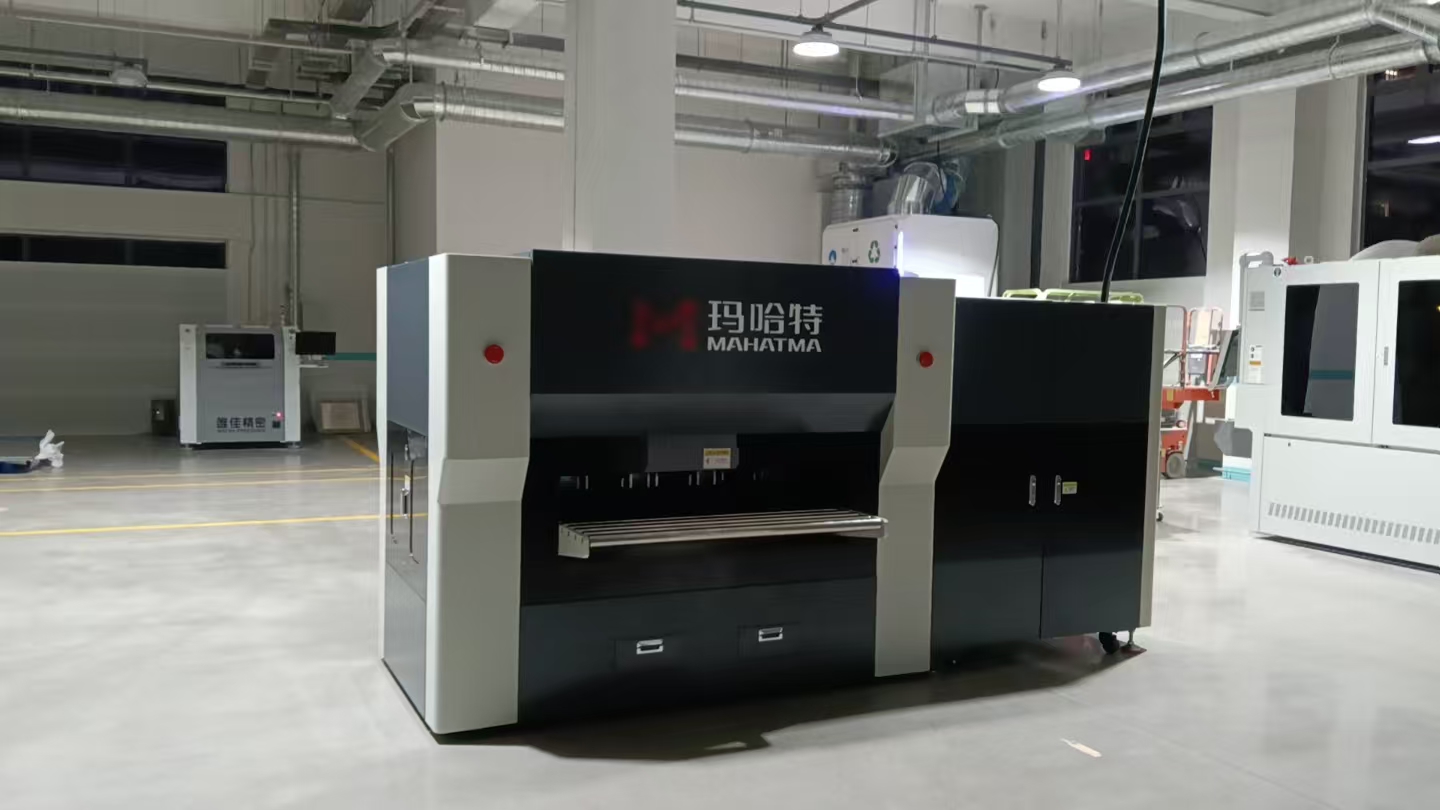
Laser cutting shops use leveling machines to remove coil set, waves, and internal stress before cutting. This stabilizes focus height and nesting accuracy. For most laser shops running 0.5–6 mm carbon steel, stainless steel, and aluminum, a CNC leveler with recipe storage is the standard solution because material changeover takes seconds rather than trial-and-error.
Selected Customer Cases
A Brazilian manufacturer invested approximately USD 600,000 in MHTR80 and MHTR100 series machines for semi-trailer parts leveling. After two years, the reported result was stable working and resolved metal deformation issues. A Turkish manufacturer used an MHTM40 CNC leveler for laser-cut parts and reported a 60% profit increase over two years. A Polish manufacturer used an MHTR120 hydraulic leveler for armored vehicle material and reported stable operation, good leveling effect, and improved production efficiency over three years. A manufacturer in Kyrgyzstan used an MHTR100 for laser-cut parts and reported about 40% overall production cost savings.
Leveling Machine Comparison and Selection Logic
The correct comparison is not only between brands. It is between machine structures, control systems, and compliance packages. The table above shows how width and thickness constraints determine the correct series. A thin-plate precision leveler such as the MHTM10 or MHTM15 handles 0.03–1.0 mm material. A heavy plate leveler such as the MHTR260 or MHTR400 handles 10–100 mm plate. If your application requires both thin sheet and thick plate, no single machine can cover the full range; the supplier should propose the best overlap or a two-machine plan.
For aluminum and copper plate, the servo CNC series is often selected because it is especially suitable for aluminum alloy and mirror-finish sheet. For high-strength steel plate, the hydraulic series offers higher force and anti-collapse dynamic compensation. For budget-limited workshops, the two-high and four-high levelers provide a low-cost entry point. For precision-part production, CNC and servo-hydraulic machines provide better repeatability and data traceability.
FAQ
Does a leveling machine exported to the EU need CE marking, and what certifications should I request?
Yes. Any industrial machine placed on the EU market must carry CE marking under the Machinery Directive. The manufacturer must perform a documented risk assessment, provide compliant guarding and emergency stops, compile a technical file, and issue an EC Declaration of Conformity. MAHATMA holds CE Attestation of Conformity M.2025.206.C113032 and ISO 9001:2015 certificate 62825Q9729R0M. Always request the Declaration of Conformity and certificate copies before final payment.
What flatness can a precision leveling machine actually achieve?
Precision series can achieve flatness down to ±0.05 mm in verified cases, with typical production results of 0.05–0.20 mm/m². Final flatness depends on material grade, thickness, original coil condition, and the leveling process. MAHATMA confirms achievable flatness on your material through a free sample test and provides a written report and video.
What factors determine the budget for a leveling machine?
Budget is driven by material envelope, roll structure, control system, automation level, certifications, and optional line integration. A two-high rough leveler is the most economical entry point. A servo-hydraulic heavy plate leveler is a larger capital investment. MAHATMA does not publish generic pricing; the practical approach is to submit your material constraints and receive a matched model proposal.
Can I test my own material on a MAHATMA leveling machine before buying?
Yes. The sample test is free. Send 1–2 meters of your material or representative parts, and MAHATMA levels it on the recommended machine, then returns a written flatness report and process video. Include your material grade and flatness target with the samples, and test your worst-condition material rather than your best.
What is the lead time, MOQ, and after-sales support for a leveling machine?
Standard lead time is 45 days, MOQ is 1 unit, and monthly capacity is 50 units. After-sales support includes 24/7 global technical support, overseas engineers available for commissioning, regional spare parts warehouses, and free operator training. To start the process, send your material specification to Jack at mhtg@gdmht.com or WhatsApp +86 173-4062-1852 for a sample test and quotation.
Conclusion
A leveling machine purchase should be driven by constraints, not by marketing language. Verify CE and ISO documentation for your destination market. Confirm that the rated thickness, width, and roll structure match your material. Specify voltage and frequency at the order stage. Test your actual material before committing. Then evaluate lead time, MOQ, and after-sales support.
Next step for buyers
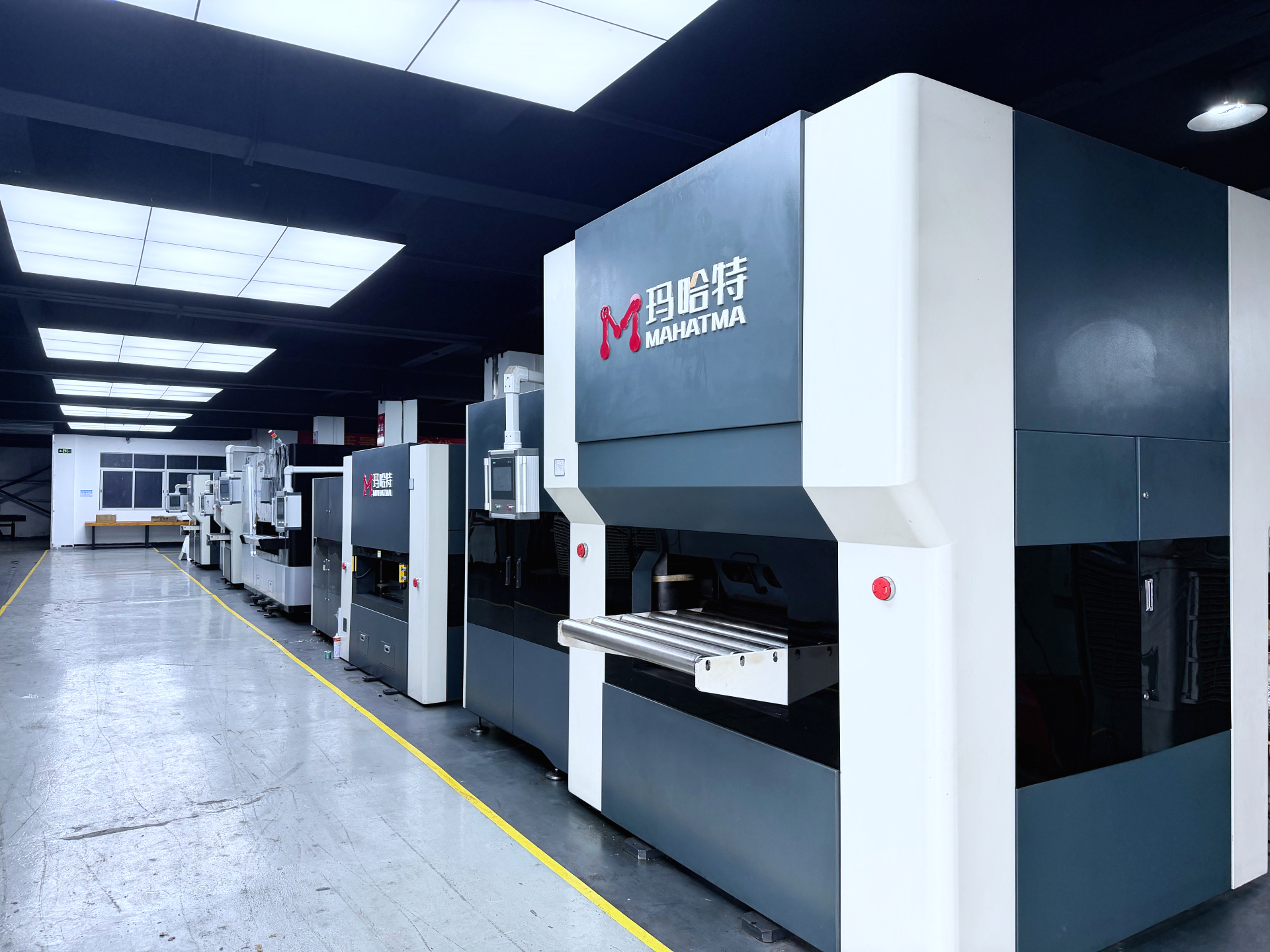
MAHATMA covers leveling machines from 0.03 mm thin sheet to 100 mm heavy plate, with CE and ISO 9001 documented. Send your material thickness, width, grade, and flatness target to mhtg@gdmht.com or WhatsApp +86 173-4062-1852 for a free sample test and matched machine proposal.
Have Questions or Need More Details?
Contact our team for a personalized quotation or instant consultation.
Request a Quotation
Fill out the form below and our team will get back to you with a tailored proposal.
WhatsApp Direct Chat
Prefer to chat in real-time? Message us on WhatsApp for instant assistance & quick answers.
- Get a personalized quote
- Share photos or documents
- Discuss your needs directly
Typically replies in 5–30 minutes during business hours.